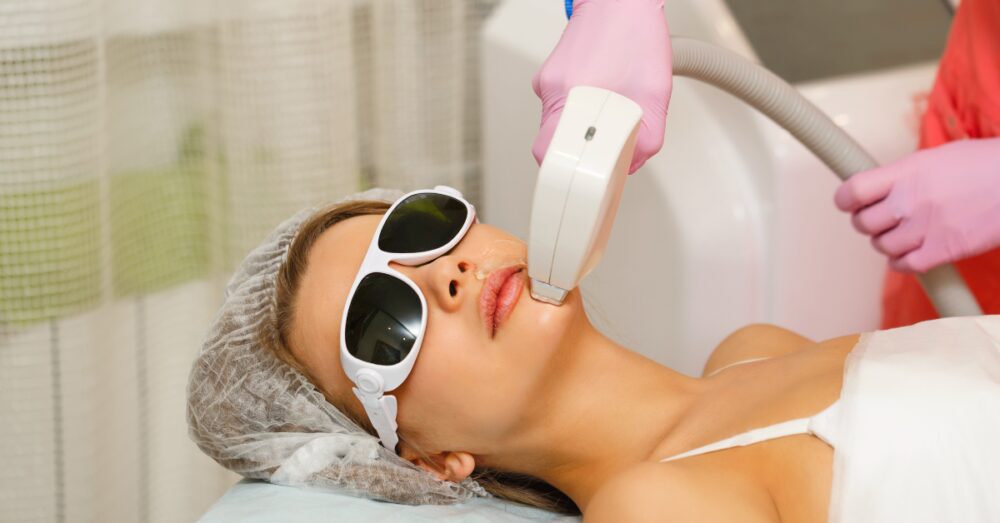
Knowing how to care for your skin after laser hair removal is just as important as the treatment itself. The right laser hair removal aftercare routine protects your results, reduces side effects, and keeps your skin comfortable between sessions.
This guide walks you through everything you need to know, from the first few hours post-treatment to long-term care habits that help each session work better than the last.
What Is the Immediate Aftercare Timeframe for Laser Hair Removal?
The first 24 to 48 hours after treatment are the most critical window for laser hair removal aftercare. Your skin is temporarily sensitized, and the hair follicles are in an active phase of response. During this period, your main job is to keep the treated area calm, clean, and protected.
Most people notice mild redness and swelling that resolves within one to three days. Hair shedding, where treated hairs gradually fall out, typically begins around one to three weeks after your session. That's normal, and it's a sign the laser is doing its job.
What Should You Do Right After a Laser Hair Removal Treatment?
Immediately after your session, apply a cool compress or an ice pack wrapped in a dry cloth to any areas that feel warm or tender. This helps reduce temporary swelling and soothes the skin without causing further irritation.
When cleansing, use only lukewarm water for at least 48 hours. Avoid rubbing the treated area; pat your skin dry gently with a clean towel instead. If your provider prescribed a topical ointment or steroid cream, apply it exactly as directed.
How Should You Protect Your Skin From Sun Exposure After Treatment?
Protecting yourself from direct sun exposure after laser hair removal is non-negotiable. Your skin is more vulnerable to UV damage in the days following treatment, and sun exposure can lead to burning, irritation, or hyperpigmentation.
Avoid direct sun exposure for at least 24 to 48 hours, and for three to seven days if you're in a high-UV environment like South Florida. When you do go outside, apply a broad-spectrum SPF 30 or higher to the treated area and reapply frequently. Wearing sun-protective clothing adds an extra layer of defense, especially on larger treated areas.
Why Should You Avoid Hot Showers and Hot Baths After Laser Hair Removal?
Heat is one of the most common causes of unnecessary irritation after a laser session. Your skin needs time to settle, and anything that raises your core temperature can prolong redness and discomfort.
Avoid hot showers for at least 48 hours after treatment. Hot baths, steam rooms, saunas, and intense exercise should also be skipped during this window. Stick to lukewarm water when washing up, and hold off on anything that makes you sweat heavily for at least 24 hours.
When Should You Avoid Tanning Beds and Tanning Lotions?
Tanning, whether from tanning beds or tanning lotions, increases the risk of burns and pigmentation issues after laser hair removal. Avoid tanning beds for at least two weeks post-treatment, and skip self tanners and tanning lotions for several days until the skin has fully settled.
This applies before sessions as well. Active tans can affect how the laser interacts with the skin, so staying out of tanning beds in the weeks leading up to your appointment protects both your safety and your results.
Why Should You Avoid Body Scrubs After Laser Hair Removal?
Your skin barrier is delicate after a session. Avoid body scrubs and abrasive exfoliants for at least one week after treatment. Scrubbing before the skin has healed can cause irritation, disrupt the follicle response, and potentially affect the outcome.
After the first week, gentle exfoliation can actually be helpful — it supports the natural hair shedding process. But always wait for clearance from your provider before resuming any exfoliation routine.
What Hair Removal Methods Are Safe to Use Between Sessions?
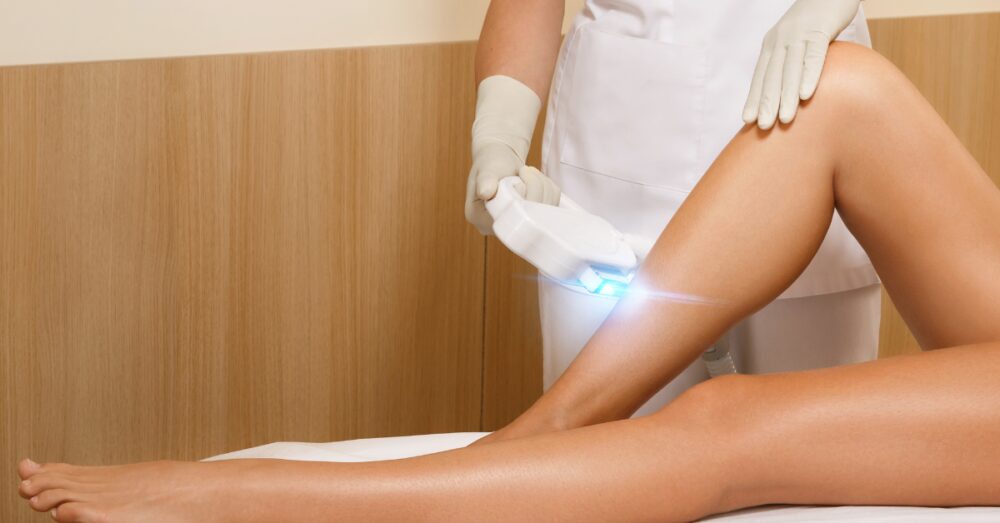
Between laser sessions, the only safe hair removal method is shaving and only once any redness has fully resolved. Wait until your skin feels back to normal before picking up a razor.
Waxing, plucking, threading, and epilating are all off the table. These methods remove the hair root, which is exactly what the laser needs to target during each session. Disrupting that process can reduce the effectiveness of your treatment.
Which Skincare Products Are Safe to Use on Treated Skin?
After laser hair removal, keep your skincare routine simple and gentle. Here's a quick breakdown of what to use and what to avoid:
Use:
- Fragrance-free, non-comedogenic moisturizers
- Aloe vera gel or calming post-treatment lotions
- Broad-spectrum SPF 30+ on exposed areas
- Prescribed topical creams only as directed
Avoid for at least 48 hours:
- Perfumed lotions, deodorants, and scented products
- Makeup on treated facial areas
- Retinoids and strong chemical acids (AHAs, BHAs)
- Harsh scrubs or physical exfoliants
Moisturizing is an important part of the healing process. Just make sure what you're using is clean, fragrance-free, and gentle on sensitized skin.
What Are the Common Side Effects of Laser Hair Removal?
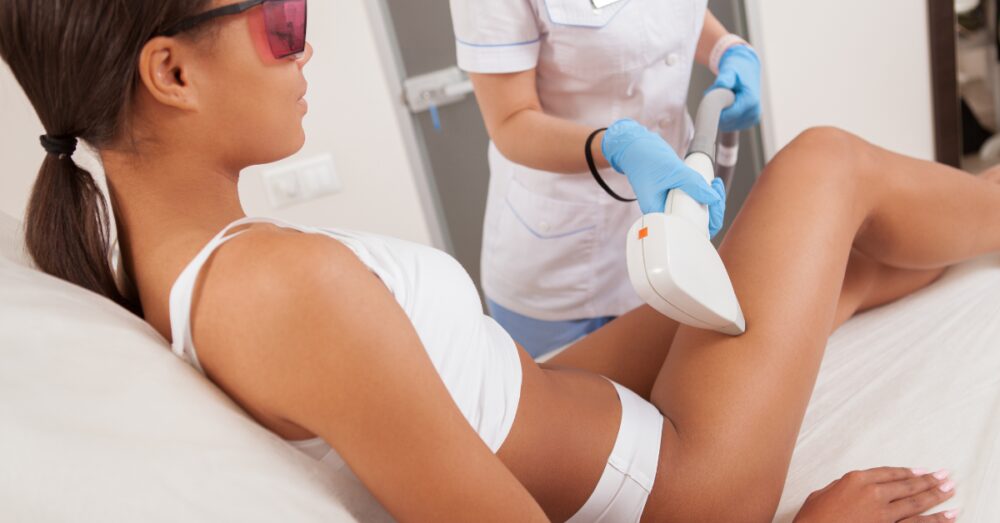
Mild redness, swelling, and a sensation similar to a light sunburn are the most common side effects after laser treatment. These typically resolve on their own within one to three days and don't require medical intervention.
Applying cool compresses to the treated area can help manage temporary discomfort and swelling. Over-the-counter antihistamines may help with itching, but check with your provider before taking anything.
When Should You Contact Your Provider About Side Effects?
Most reactions after laser hair removal are minor and short-lived. However, some signs warrant a call to your provider. Reach out if you notice redness, swelling, or itching that lasts beyond a few days, blistering, crusting, or open skin, changes in skin pigmentation, or signs of infection including warmth, discharge, or increasing pain.
Document any unusual reactions with photos before your follow-up visit. Your provider can assess whether the reaction is within the expected range or needs treatment.
How Do You Treat Minor Reactions at Home?
For mild swelling or tenderness, cool compresses work well. Apply a cloth-wrapped cool pack to the area for short intervals; don't place ice directly on bare skin. For itching that doesn't resolve quickly, ask your provider whether an OTC antihistamine is appropriate for your situation.
If effects subside within a day or two, you're likely healing normally. If they don't, don't wait — contact your provider.
Is It Safe to Swim After Laser Hair Removal?
Avoid swimming for at least 48 hours after treatment. Chlorinated pools and open water both carry bacteria and chemical irritants that can affect sensitized skin and interfere with healing.
This also applies to hot tubs, which combine heat and bacteria — two things your skin definitely doesn't need right after a laser session.
How Many Sessions Does Laser Hair Removal Require?
Most people need between two and six sessions to see significant, lasting hair removal results. The exact number depends on your hair color, the area being treated, the density of hair growth, and other factors like hormonal background or skin types.
Staying consistent with your appointment schedule and following aftercare protocols between sessions gives you the best chance at achieving the results you're looking for.
What Cosmetic Treatments Should You Avoid After Laser Hair Removal?
Avoid cosmetic treatments in the treated area for at least two weeks following laser hair removal. This includes facials, chemical peels, microneedling, and any procedure that involves mechanical or chemical stimulation of the skin.
Your skin needs time to fully recover before it's ready for additional treatments. Stacking too many procedures too close together can compromise both safety and results.
Frequently Asked Questions
How long after laser hair removal can I go in the sun?
Avoid direct sun exposure for at least 24 to 48 hours after treatment, and in strong sun conditions, extend that window to three to seven days. After that, apply SPF 30 or higher whenever the treated area is exposed to sunlight.
Can I shave between laser hair removal sessions?
Yes. Shaving is the only hair removal method that's safe between sessions. Avoid waxing, plucking, or threading, as these remove the hair root that the laser needs to target.
What should I put on my skin immediately after laser hair removal?
Use a cool compress to reduce swelling, apply any prescribed ointments or steroid cream as directed, and follow up with a gentle, fragrance-free moisturizer. Avoid scented products, makeup, and active skincare ingredients for at least 48 hours.
Is redness normal after laser hair removal?
Yes. Mild redness and swelling around the hair follicles are common side effects that typically resolve within one to three days. If redness or irritation persists beyond a few days or worsens, contact your provider.
Can I use retinol after laser hair removal?
Avoid retinoids and strong chemical acids for at least one week following treatment. These ingredients can increase skin sensitivity and interfere with the healing process. Reintroduce them gradually and only after your skin has fully recovered.
Ready to Start Your Laser Hair Removal Journey in Palm Beach Gardens?
At Hamilton Aesthetics, our providers are experienced in delivering safe, effective laser hair removal and guiding you through every step of your care, including what to do after each session. We take a personalized approach to treatment and aftercare so your skin stays protected and your results keep improving. Book your consultation today or call +1 561-366-7772.