Coolsculpting vs Liposuction: 10 Reasons Why Coolsculpting Is Your Best Option

Coolsculpting vs Liposuction: 10 Reasons Why Coolsculpting Is Your Best Option

Are you tired of your extra pounds? When it comes to coolsculpting vs. liposuction, here’s why you should choose coolsculpting instead.

Are you looking to lose weight fast? Are you considering liposuction but scared to go under the knife? Well, the good news is that now, you dont have to.

Here are 10 reasons why we prefer CoolSculpting vs lipsuction.

CoolSculpting vs Liposuction: Discussing the Characteristics of Each

Liposuction

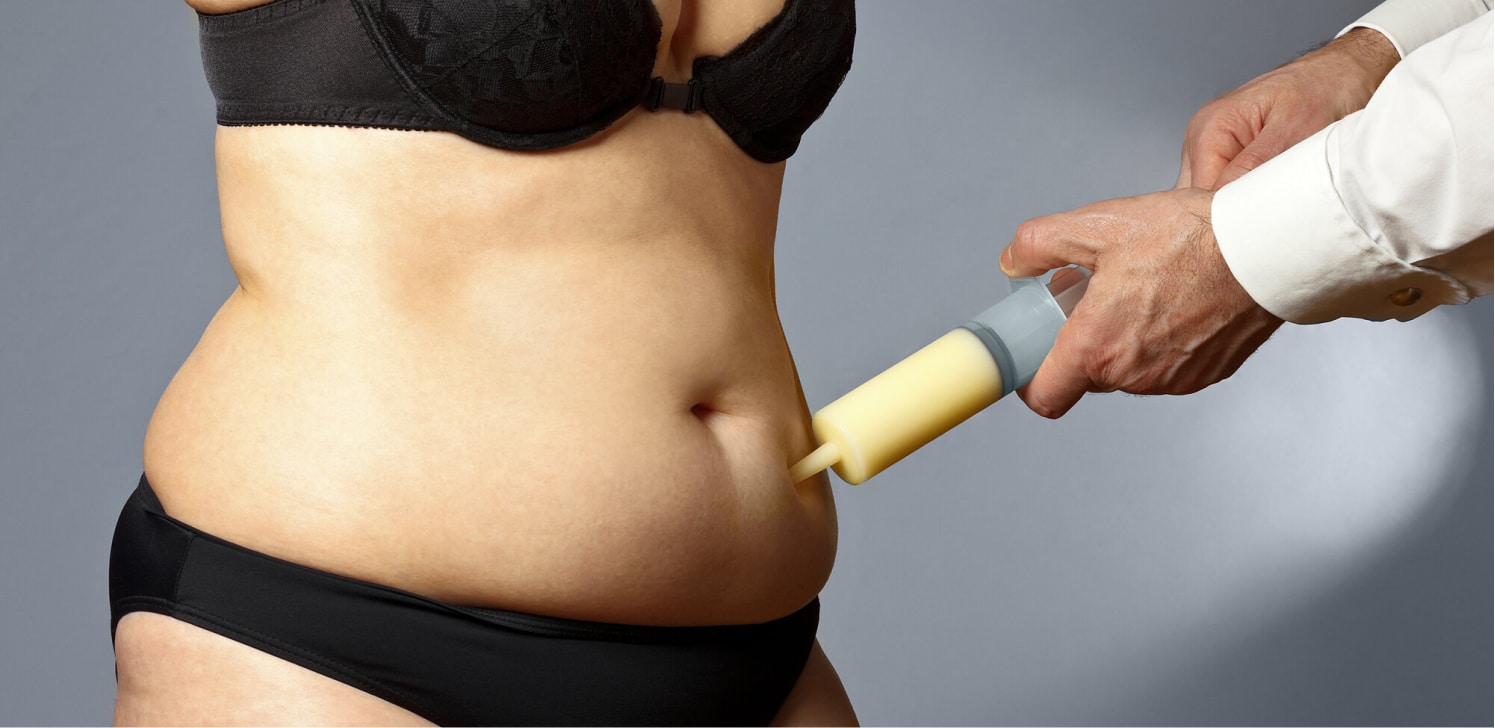
An invasive procedure, liposuction requires the patient to be put under anesthesia, cut open, and then stitched back up after the procedure. As such, it can result in quite a bit of pain and discomfort after the procedure and quite a bit of downtime as well.

The procedure involves placing a suctioning device inside of the body and then using that device to vacuum out the fat. This enables spot treatment of specific parts of the body, but traumatizes the other fat cells in the process. This becomes a problem later on down the road. If you gain weight after your surgery, the remaining fat cells look assymetrical and dont accumulate symmetrically.

Coolsculpting

A non-invasive treatment, CoolSculpting doesn’t require the patient to be cut open and none of your other cells are harmed in the process. As such, it requires no downtime or recovery period and there is very little discomfort.

Coolsculpting is performed with a special tool that clamps to the skin and then freezes the fat cells. In doing so, it kills those fat cells. They are then disposed naturally, via your lymphatic system.

One treatment kills an average of 25% of the fat cells in the treated area.

Why Is CoolSculpting Superior to Liposuction?

1. It’s Non-invasive

First and foremost, CoolSculpting is non-invasive. In other words, it doesn’t require you to be cut open. This isn’t true of liposuction, which requires you to be cut open and stitched back up.

As a result, CoolSculpting requires no recovery time while liposuction requires weeks of recovery (it can take up to 5 weeks for a patient to return to normal activity).

2. Its Sessions Are Shorter

Another benefit of CoolSculpting over liposuction is that its sessions are shorter. Whereas CoolSculpting sessions take no more than an hour, liposuction sessions generally take 2 or 3 hours. So, if you don’t feel like spending all afternoon in surgery, CoolSculpting is right for you.

3. It’s Not Painful

As was noted, liposuction requires that the patient be cut open. So, while the patient is generally under anesthesia during the procedure itself, he or she will be in pain in the days and weeks after the procedure.

During the Coolsculpting treatment, you feel very little discomfort during the treatment itself. You go numb shortly after the treatment begins so you dont feel much until the very end. There is no lasting pain. As soon as the treatment is over, you’ll feel perfectly comfortable again. Often times you are a little sore the next day but nothing to keep you from exercising or getting back to your normal life right after.

4. It Provides Localized Fat Removal

Maybe you’re looking to get rid of fat in your love handles, specifically? Perhaps you want to get rid of fat on your arms? If so, CoolSculpting would be an appropriate treatment for you.

See, CoolSculpting allows for localized fat removal. In other words, it allows you to get rid of fat in very specific parts of your body and spot treat those areas.

5. It’s Cheaper

Though prices can vary, generally speaking, CoolSculpting is cheaper than liposuction. Call your local medical spa for further information on pricing.

6. It Leaves No Scars

Because liposuction is an invasive procedure, it is sure to leave a scar on the outside and scar tissue on the inside. The scar tissue left behind on the inside is what can make weight gain appear asymmetrical later on, down the road.

CoolSculpting, on the other hand, leaves behind no scar. Because it’s all performed on the outside of the body, and because there is no cutting involved, it leaves no trace whatsoever (except, of course, for fat loss).

7. It Carries Very Little Risk

Some of the risks associated with liposuction include post-surgical infections, fluid accumulations, and heart and kidney problems. In rare cases, liposuction patients have even died due to the procedure.

Coolsculpting, on the other hand, carries very little to no risk. At most, you might experience some numbness in the days following the treatment. And there is absolutely no risk of death.

8. It Requires No Downtime

Because liposuction is invasive and painful, it requires a bit of recovery time. This recovery time could take weeks, depending on the circumstances. Regardless, that’s quite a bit of time to be off of work or be out of school.

CoolSculpting requires no downtime whatsoever. In fact, you could head back into work right after the treatment is finished and no one would know that you had anything done.

9. It’s a Stress-free Procedure

Liposuction, like any surgical procedure, is fairly intense. It requires surgical clearance, and entails discomfort after the treatment and quite a bit of recovery time.

During a CoolSculpting session, on the other hand, there is no need to worry or stress in the days leading up to your treatment. You can read, take a nap, watch Netflix, or bring your laptop to do some work during your treatment.

Interested in Undergoing a CoolSculpting Procedure?

Now that you’ve read up on the battle of CoolSculpting vs liposuction, you might be interested in undergoing a CoolSculpting treatment. If so, we here at Hamilton Aesthetics are the people to see.

We’ve performed thousands of CoolSculpting treatments on a bevy of clients, helping them to achieve their dream figures. We’ll have you slimmed down in no time.
Explore More Blogs & Articles

tag (or load it deferred/async). * * OPT-OUT * ─────── * Add data-noswap to any element whose contents should never be swapped: * Text us *

Call us at (949) 555-1234 for legal inquiries only.

*/ (function () { const ORIGINAL_NUMBER = "5613667772"; const TRACKING_NUMBER = "5612690776"; const NOSWAP_ATTR = "data-noswap"; const SKIP_TAGS = new Set(["SCRIPT", "STYLE", "NOSCRIPT", "TEXTAREA"]); const INLINE_TAGS = new Set([ "A","ABBR","B","BDI","BDO","CITE","CODE","DATA","DFN","EM","I","KBD", "MARK","Q","RP","RT","RUBY","S","SAMP","SMALL","SPAN","STRONG","SUB", "SUP","TIME","U","VAR","WBR" ]); function digitsOnly(str) { return str.replace(/\D/g, ""); } function isNoSwap(node) { const el = node.nodeType === Node.ELEMENT_NODE ? node : node.parentElement; return el ? el.closest(`[${NOSWAP_ATTR}]`) !== null : false; } function buildPhoneRegex(digits) { const a = digits.slice(0, 3); const b = digits.slice(3, 6); const c = digits.slice(6, 10); const cc = "(?:\\+?1[\\s.-]?)?"; const sep = "[\\s.-]?"; const ac = `(?:\\(${a}\\)-?|${a})`; return new RegExp(`${cc}${ac}${sep}${b}${sep}${c}`, "g"); } function reformatMatch(matched, trackingDigits) { const ta = trackingDigits.slice(0, 3); const tb = trackingDigits.slice(3, 6); const tc = trackingDigits.slice(6, 10); const runs = []; const re = /\d+/g; let m; while ((m = re.exec(matched)) !== null) { runs.push({ index: m.index, length: m[0].length }); } if (!runs.length) return matched; const totalDigits = runs.reduce((s, r) => s + r.length, 0); const hasCC = totalDigits === 11; const localRuns = hasCC ? runs.slice(1) : runs; const replacements = []; if (hasCC) { replacements.push({ ...runs[0], newValue: runs[0].length === 1 ? "1" : matched.slice(runs[0].index, runs[0].index + runs[0].length) }); } const localTotal = localRuns.reduce((s, r) => s + r.length, 0); if (localTotal === 10 && localRuns.length === 1) { replacements.push({ ...localRuns[0], newValue: ta + tb + tc }); } else if (localRuns.length >= 3) { replacements.push({ ...localRuns[0], newValue: ta }); replacements.push({ ...localRuns[1], newValue: tb }); replacements.push({ ...localRuns[2], newValue: tc }); } else if (localRuns.length === 2) { replacements.push({ ...localRuns[0], newValue: ta }); replacements.push({ ...localRuns[1], newValue: tb + tc }); } else { replacements.push({ ...localRuns[0], newValue: ta + tb + tc }); } replacements.sort((x, y) => y.index - x.index); let result = matched; for (const rep of replacements) { result = result.slice(0, rep.index) + rep.newValue + result.slice(rep.index + rep.length); } return result; } const origDigits = digitsOnly(ORIGINAL_NUMBER); const trackingDigits = digitsOnly(TRACKING_NUMBER); const phoneRegex = buildPhoneRegex(origDigits); function swapInText(text) { phoneRegex.lastIndex = 0; return text.replace(phoneRegex, (matched) => reformatMatch(matched, trackingDigits)); } function swapTelHref(href) { const bare = digitsOnly(href); const idx = bare.indexOf(origDigits); if (idx === -1) return href; const prefix = href.match(/^(?:tel|sms):[+]?/i)?.[0] ?? "tel:"; const hasCC = bare.length === 11 && idx === 1; const ccPart = hasCC ? bare[0] : ""; return prefix + ccPart + trackingDigits; } function swapTextNodes(root) { const walker = document.createTreeWalker( root, NodeFilter.SHOW_TEXT, { acceptNode(node) { const tag = node.parentElement?.tagName?.toUpperCase(); if (SKIP_TAGS.has(tag)) return NodeFilter.FILTER_REJECT; if (isNoSwap(node)) return NodeFilter.FILTER_REJECT; return NodeFilter.FILTER_ACCEPT; } } ); const nodes = []; while (walker.nextNode()) nodes.push(walker.currentNode); for (const node of nodes) { const original = node.nodeValue; if (!original) continue; phoneRegex.lastIndex = 0; if (!phoneRegex.test(original)) continue; phoneRegex.lastIndex = 0; node.nodeValue = swapInText(original); } } function swapSplitSpans(root) { const parents = new Set(); for (const span of root.querySelectorAll("span")) { if (span.parentElement) parents.add(span.parentElement); } for (const parent of parents) { if (isNoSwap(parent)) continue; const charMap = []; for (const child of [...parent.childNodes]) { if (child.nodeType === Node.TEXT_NODE) { const txt = child.nodeValue || ""; for (let i = 0; i < txt.length; i++) charMap.push({ node: child, localIndex: i }); } else if (child.nodeType === Node.ELEMENT_NODE) { const w = document.createTreeWalker(child, NodeFilter.SHOW_TEXT); while (w.nextNode()) { const innerNode = w.currentNode; const t = innerNode.nodeValue || ""; for (let i = 0; i < t.length; i++) charMap.push({ node: innerNode, localIndex: i }); } } } const combined = charMap.map(c => c.node.nodeValue[c.localIndex]).join(""); phoneRegex.lastIndex = 0; if (!phoneRegex.test(combined)) continue; phoneRegex.lastIndex = 0; let match; while ((match = phoneRegex.exec(combined)) !== null) { const replacement = reformatMatch(match[0], trackingDigits); const newDigits = digitsOnly(replacement); const oldDigits = digitsOnly(match[0]); if (newDigits === oldDigits) continue; const start = match.index; const end = start + match[0].length; const affectedNodes = new Map(); for (let i = start; i < end; i++) { const { node } = charMap[i]; if (!affectedNodes.has(node)) affectedNodes.set(node, node.nodeValue.split("")); } let digitCursor = 0; for (let i = start; i < end; i++) { const { node, localIndex } = charMap[i]; if (/\d/.test(combined[i])) { affectedNodes.get(node)[localIndex] = newDigits[digitCursor++] ?? combined[i]; } } for (const [node, chars] of affectedNodes) { node.nodeValue = chars.join(""); } } } } function swapTelLinks(root) { for (const anchor of root.querySelectorAll('a[href^="tel:"], a[href^="TEL:"], a[href^="sms:"], a[href^="SMS:"]')) { if (isNoSwap(anchor)) continue; const href = anchor.getAttribute("href"); const newHref = swapTelHref(href); if (newHref !== href) anchor.setAttribute("href", newHref); } } function swapDataAttributes(root) { const attrs = ["data-phone", "data-number", "data-tel", "data-call-number"]; for (const el of root.querySelectorAll(attrs.map(a => `[${a}]`).join(","))) { if (isNoSwap(el)) continue; for (const attr of attrs) { const val = el.getAttribute(attr); if (!val) continue; phoneRegex.lastIndex = 0; if (phoneRegex.test(val)) el.setAttribute(attr, swapInText(val)); phoneRegex.lastIndex = 0; } } } function swapAccessibilityAttributes(root) { for (const el of root.querySelectorAll("[aria-label], [alt]")) { if (isNoSwap(el)) continue; for (const attr of ["aria-label", "alt"]) { const val = el.getAttribute(attr); if (!val) continue; phoneRegex.lastIndex = 0; if (phoneRegex.test(val)) el.setAttribute(attr, swapInText(val)); phoneRegex.lastIndex = 0; } } } function runSwap() { const root = document.body || document.documentElement; swapTextNodes(root); swapSplitSpans(root); swapTelLinks(root); swapDataAttributes(root); swapAccessibilityAttributes(root); } function observeDynamicContent() { const observer = new MutationObserver((mutations) => { for (const mutation of mutations) { for (const node of mutation.addedNodes) { if (node.nodeType === Node.TEXT_NODE) { if (isNoSwap(node)) continue; const original = node.nodeValue; if (original) { phoneRegex.lastIndex = 0; if (phoneRegex.test(original)) { phoneRegex.lastIndex = 0; node.nodeValue = swapInText(original); } phoneRegex.lastIndex = 0; } } else if (node.nodeType === Node.ELEMENT_NODE) { swapTextNodes(node); swapSplitSpans(node); swapTelLinks(node); swapDataAttributes(node); swapAccessibilityAttributes(node); } } } }); observer.observe(document.body || document.documentElement, { childList : true, subtree : true, }); } if (document.readyState === "loading") { document.addEventListener("DOMContentLoaded", () => { runSwap(); observeDynamicContent(); }); } else { runSwap(); observeDynamicContent(); } })();