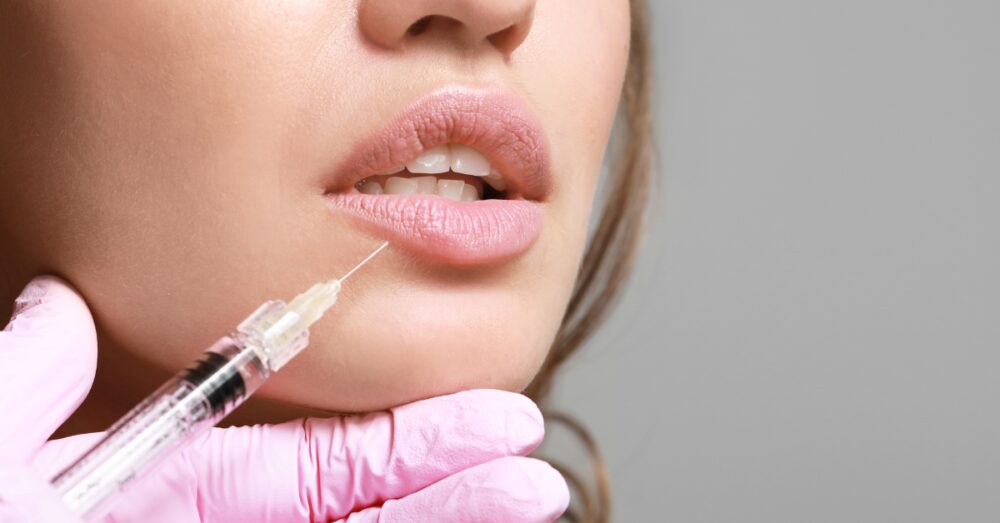
If you’ve been searching “how long does lip filler last,” you’re not alone. The short answer is that most lip fillers last somewhere between six and twelve months, but the real answer depends on a handful of factors unique to you. This guide breaks down lip filler longevity, what to expect from your lip filler appointment, and how to plan maintenance treatments so your results look their best for as long as possible.
Key Takeaways:
- Most hyaluronic acid lip fillers last between six and twelve months, with longevity depending on filler type, injection technique, individual metabolism, and lifestyle factors.
- Clients who maintain a consistent treatment schedule often find their results lasting longer over time, as repeated filler sessions can support natural collagen production in the lip tissue.
- Daily SPF, staying hydrated, avoiding smoking, and scheduling touch-ups before filler fully fades are the most effective ways to extend and protect your results.
How Long Do Lip Fillers Last: Typical Ranges
Most lip fillers last between six and twelve months. Some clients find their results fading closer to the four-month mark, while others enjoy full lips well past a year. The range depends on the specific filler used, your individual metabolism, and how your body naturally metabolizes hyaluronic acid over time.
A good rule of thumb: if you have an event coming up and want your lips looking their best, schedule your lip filler appointment about two weeks beforehand. That gives enough time for any swelling to resolve and your final results to settle into a natural shape.
Factors That Influence Lip Filler Longevity
Several factors determine how long fillers hold up. Understanding them can help you set realistic expectations and make the most of every treatment.
- Filler Type and Cross-Linking
Not all fillers work the same way. Different fillers have different levels of cross-linking, which is essentially how tightly the hyaluronic acid molecules are bonded together. A highly cross-linked filler type tends to be more resistant to filler breakdown and can maintain volume longer. During your consultation, ask your provider which specific filler best matches your aesthetic goals and desired look.
- Injection Technique and Placement
Where and how deep the filler is placed make a real difference. An experienced injector understands the anatomy of the lips and knows how to place product strategically so it lasts longer and looks balanced. Placement near areas with heavy lip movement, like the center of the upper lip, tends to break down faster simply because the area moves so much throughout the day.
- Individual Metabolism and Lifestyle
People with faster metabolisms tend to process filler more quickly. Lifestyle factors matter too. High-intensity exercise, sun exposure, frequent hot tubs, and smoking can all accelerate filler breakdown. Staying hydrated, eating a healthy diet, and wearing SPF daily can support longer-lasting results.
First-Timer vs. Maintainer: What Changes Over Time
If this is your first lip filler appointment, your body may metabolize the product a bit faster. That’s normal. Over time, with consistent maintenance treatments, many clients find their results lasting longer between sessions. The filler can actually help stimulate some collagen production in the area, which supports your natural lip tissue and helps maintain volume more effectively with each visit.
For maintainers, scheduling a touch-up appointment every six to nine months is a common rhythm, though your provider will help you build a personalized treatment plan based on how your body responds.
The Lip Filler Timeline
Knowing what to expect at each stage helps you plan ahead and enjoy your results without second-guessing the process.
The First 48 Hours: Immediate Post-Appointment Care
Right after lip filler injections, expect some swelling and possibly light bruising. This is completely normal. Avoid blood-thinning medications like ibuprofen beforehand unless otherwise directed by your doctor, as these can make bruising worse. For the first two days:
- Apply a cold compress gently to reduce swelling
- Avoid intense exercise and heavy lifting
- Skip hot tubs, saunas, and steam rooms
- Stay upright and drink plenty of water
- Use a gentle lip balm to keep the area moisturized
- Avoid touching or pressing on the injection sites
Weeks One to Four: Settling Phase
By week two, most swelling has resolved, and you’re seeing your true results. This is when your filler settles into your natural lip shape and the desired volume becomes clear. If you feel anything needs adjusting, this is a good window to book a follow-up with your provider for a small revision.
Months Two to Six: Peak Period
This is the sweet spot. Your lip augmentation results are fully settled, your lips feel natural, and the filler is holding strong. Take reference photos during this phase so you and your provider have a visual baseline for future treatments. Most clients describe this window as when they feel most confident about their natural-looking lips.
Six to Twelve Months: The Fading Phase
Gradually, your body naturally metabolizes the hyaluronic acid, and volume starts to diminish. You might notice your lips returning closer to their original natural lip shape, or that subtle hydration and fullness start to fade. This doesn’t happen overnight. It’s a slow, natural process. When you notice the change, it’s a good time to schedule your next lip filler appointment.
How To Make Lip Fillers Last Longer in Palm Beach Gardens, FL
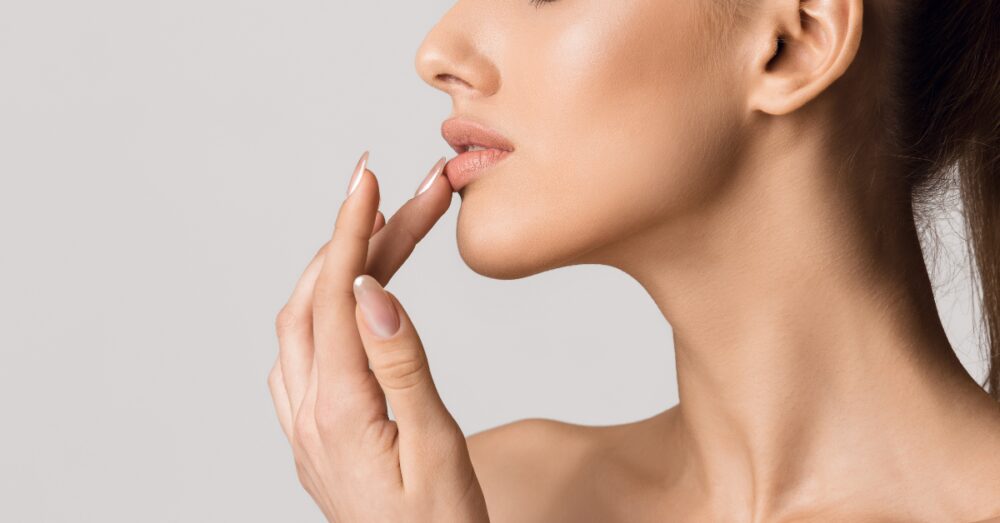
While you can’t stop your body from eventually breaking down filler, there are practical ways to extend your results and protect your investment.
Wear SPF on and around your lips daily. Sun exposure is one of the sneakiest factors that can accelerate filler breakdown. Avoid smoking, which restricts blood flow to the lips and degrades filler faster. Stay hydrated and maintain a healthy lifestyle with a balanced diet. Moderate intense exercise for the first 48 to 72 hours after treatment. And most importantly, keep up with regular maintenance treatments before your filler has completely disappeared. Topping off volume is easier and often requires less product than starting from scratch.
Which Fillers Last Longer? Comparing Different Fillers
When it comes to filler longevity, the filler brand and formulation matter. Juvéderm and Restylane are two of the most well-known hyaluronic acid fillers, and each offers several products designed for different purposes. Some are lighter and ideal for subtle hydration and smoothing lip lines, while others are designed to add volume and create a fuller, more defined look.
Generally, thicker, more cross-linked formulations last longer, but they’re not always the right choice for every client. Someone looking for a soft, natural feel may prefer a lighter product even if it means slightly shorter longevity. Your provider will help you match the right filler type to your lip augmentation goals during your consultation.
Frequently Asked Questions About Lip Filler Duration
Is there a way to tell when my lip filler is starting to wear off before it’s obvious?
Most clients notice subtle changes before anything dramatic happens. Your lips may feel slightly less full, or the defined lip borders you loved may start to soften. Taking photos during your peak period gives you a helpful comparison point so you can schedule a touch up appointment before the filler has completely disappeared.
Should I switch to a different filler brand if my current one doesn’t seem to last long enough?
It’s worth discussing with your provider. Different fillers have different formulations and cross-linking levels, so switching to a more durable product could extend your results. Your provider can recommend a specific filler that better matches your metabolism and lip augmentation goals.
How soon after getting lip fillers can I wear lipstick or use my regular lip balm?
Most providers recommend waiting at least 24 hours before applying anything to the lips. This gives the injection sites time to close and reduces the risk of irritation. After that, gentle lip balm and lipstick are perfectly fine.
Will getting a lip flip affect how long my lip fillers last?
A lip flip uses a small amount of neurotoxin to relax the upper lip muscle, creating a subtle pout without adding volume. It doesn’t directly affect filler longevity, but because it reduces lip movement in the treated area, some clients find their filler lasts a bit longer when the two treatments are combined.
Ready To Achieve the Perfect Pout? Book Your Consultation Today
If you’re ready to explore lip fillers and find out how they can help you achieve full, natural-looking lips that last, the team at Hamilton Aesthetics in Palm Beach Gardens, FL is here to help. Our providers bring the skill and artistry needed to deliver natural-looking results tailored to your unique features. Call us at 561-366-7772 or book online to schedule your lip filler appointment today.